Category Archives: highlight home

In this piece, we highlight the need to bring indigenous cultural and scientific knowledge into peacebuilding. In this Q&A with renowned peacebuilder Binalakshmi Nepram, she shares why the world of today needs indigenous knowledge more than ever and why indigenous peacebuilding should inform peace research.

As a child, Binalakshmi Nepram did not realise that she grew up in a war zone. She thought living amidst violent conflict was normal. She wanted to go into science and be a physicist, but her journey took a different route. At some point, she realised that growing up in conflict should not be considered normal for any child. Binalakshmi Nepram grew up in Manipur, a former nation-state located now in India’s North Eastern part, bordering Myanmar. She is the founder of the Global Alliance of Indigenous Peoples for Gender, Justice, and Peace and she is an advocate for not only victims of the forgotten conflict in Manipur but also of the power and wisdom of indigenous peacebuilding.

Inclusive Peace recently talked to Binalakshmi Nepram over a Zoom connection from her in a hotel room in New York in between her meetings during UNGA week about what the world can learn from indigenous peacebuilding.

How did your journey as a peacebuilder start?

My journey as a peacebuilder did not start as a project or a career choice. It started with trying to find answers to bring peace to one of the world’s most forgotten conflicts. I saw my 14-year-old niece die, my parents nearly being shot, and I, myself, have been threatened multiple times. My journey as a peacebuilder started with the spirit to be alive, to stay safe, and to be able to bring peace to the villages in my home region in the mountains of Manipur.

There are more than 134 armed conflicts [including intra-state conflicts: Source] in the world [including state-based intra-state and non-state conflicts, see more here], many of which you do not even know about. The conflict that I come from, the Manipur conflict, is one such conflict. My starting point as a peacebuilder was trying to find solutions to a crisis that the world does not acknowledge or understand. As someone caught in this conflict, I must spread awareness and offer my knowledge in search of solutions.

What is the type of knowledge that indigenous peacebuilding offers?

We live in an era of information and knowledge, but not all knowledge is considered equal worth. Indigenous knowledge is an example of a type of knowledge that is not always being taken into account. 476 million indigenous people are living in 90 countries and territories, and currently, 80% of the world’s conflicts are happening in biodiversity hotspots, where indigenous people live. In many of the peace agreements, peace talks, and peace conferences, I hardly see indigenous people at center stage. How can we try to resolve the conflicts of today, if we do not acknowledge the wisdom and power of indigenous knowledge and peacebuilding?

Our work is not just to be angry about what happened to us – our work is to engage and inform the right people, policymakers, and people who are working in different parts of the world on peacebuilding to include indigenous peoples in peacebuilding. The first objective is to convenience decision-makers to engage with Indigenous peoples. Do not just ignore them – listen and engage. Ask what wisdom they carry and what are some of the innovative methods they have evolved in their communities to coexist with one another despite differences.

How to do that?

To convince, decision-makers and nation-states, we need research and network. There is very little research done on the indigenous methodology of peacebuilding. We have started in the last year and a half to work on this, but there is still much more to do. We have to ensure that wherever we are working, we can sit down with indigenous people, learn from them, and weave their wisdom into peacebuilding methodology. Then we need convening spaces. This year, the first global summit on Indigenous peacebuilding in April was held, which brought together 120 Indigenous peacebuilders from 30 countries and territories from seven social and cultural zones of the world. At the summit, we launched the global network of indigenous peacebuilders, mediators, and negotiators. The aim is that this network of indigenous leaders, elders, women, and youth will eventually be able to enter conflict zones and negotiate meaningful peace.

Finally, we have now the International Declaration on Indigenous Peacebuilding. We would like the world’s decision-makers to take a look at that declaration and to ensure that decision-makers calculate the principles in the declaration. The blueprint for how to meaningfully integrate indigenous peacebuilding into mediation, negotiation, peacemaking, and conflict resolution is already there – now it needs to be applied. Currently, we are working closely with the United Nations to ensure that indigenous peacebuilding, indigenous mediation, and indigenous forms of negotiation in resolving and mitigating violent conflicts in included in the wider field. I repeat; when 80% of the world’s conflicts are happening in biodiversity hotspots, which is linked to environmental violence, the protection of people, peace, and the planet, will have to include and put indigenous people at the center stage if we want to build a more sustainable world that works for all.

But for all of our work on research and convening to have an impact, there has to come to both acknowledgment and investment from nation-states. First of all, acknowledge that indigenous peoples exist. Countries like China and India do not recognise indigenous peoples. Bangladesh has thrown out the term indigenous peoples and called them ethnic minorities. Nation-states need to embrace indigenous peoples and make them a part of the governance structure. It is time to learn from indigenous people and include them in this local, national, and multilateral decision-making.

Then comes investment. Indigenous peoples are one of the poorest communities in the world because of how post-colonial structures work. It is time for nation-states to apologise and help indigenous peoples live up to their potential. This also means investing in preserving indigenous ways of life, language, cultural and scientific knowledge such as music, medicine, and crafts and finally, wisdom. Indigenous people may just be 6% of the world, but they take care of 80% of the world’s biodiversity. And then, there needs to be investment in indigenous peacebuilding which means resources for research and resources for indigenous peoples to travel to conflict areas to engage.

Why is indigenous peacebuilding more important today than ever before?

The world is hurting, and the people of the earth are hurting because we have forgotten that we belong to each other. We are living under structures that dictate competition and sovereignty to kill. Indigenous people have done things differently. They have said that human beings are not alone in the Anthropocene world. We are not at the top. We are just one of the many elements. Our way of life is to live in humility with the world around us, and not with the arrogance that we think that we can control and conquer everything. Greed and the human search for power have destroyed our world. Indigenous peoples’ worldview and their cosmic vision bring peace and not war. They talk about coexistence, not annihilation. They talk about spirituality and not the domination of one or two religions. They talk about coexistence with the natural environment around us, and not to extraction and depletion of Mother Earth.

I grew up in an indigenous community in Manipur, but I am also a citizen of the modern world. I see two worlds, the indigenous world, and the non-indigenous world, and I realise that the more I go into the non-indigenous world, I feel that we are hurting ourselves. The indigenous worldview is like a bond on a wounded soul. It will bring that peace, that seven billion people on this planet deserve.

There is still a long way to go before the power asymmetries in the peacebuilding field between Northern and Southern peacebuilding actors are dissolved, but what does it take to change this? Peacebuilding experts from Sub-Saharan Africa share their points of view. 

Recent online consultations with peacebuilding experts from Benin, Cameroon, Côte d’Ivoire, Democratic Republic of the Congo, Libya, Mali, Nigeria, Senegal, South Sudan, and Sudan, show that despite a positive change in the donor-recipient relationship over the past years, local peacebuilding actors remain in an inferior position to international donors.

The peacebuilding experts described the relationship in various ways: International donors looking down on local actors, lacking respect towards local actors, or treating them as employees rather than partners on equal footing. 

So what does it take to change that? In this blog, we highlight the innovative suggestions from the peacebuilding experts for creating a donor-recipient relationship on equal footing. 

Rethinking How We Talk About and Support Local Peacebuilding Efforts

Participants suggested two main ways to improve how we think about and support local peacebuilding efforts.

1. Updating Terms and Concepts:

  • Change the Language: Instead of using the term “localisation,” which can seem vague and gives the impression that local agency depends on international donors’ localisation efforts, we should focus on “local ownership.” This means emphasising the role of local people in leading peacebuilding efforts.
  • Define “Local” Clearly: There should be a common understanding of who counts as “local.” This could be done by mapping out who is involved in peacebuilding locally and deciding which groups should get support from outside sources. Creating consortia of local peacebuilders working together can help with this.

2. Improving Communication Between Local and International Actors:

  • Donor Behaviour: International donors should be clear about their supportive but less central role in peacebuilding efforts. They should highlight the skills and achievements of local peacebuilders rather than just their needs. Donors could also work on strategies that present both local and international actors as equal partners working together to address security issues.
  • Local Efforts: Local peacebuilders should promote their skills and achievements publicly. They could run campaigns to showcase what they can contribute to peacebuilding, rather than focusing on what they need.

Promoting Local Leadership Early On

To boost local peacebuilders’ influence from the start the experts suggested to 

  • Involve Local Experts: Involve local knowledge and expertise right from the planning stages of peacebuilding projects to better address local security challenges.
  • Local Decision-Making: Ensure that local peacebuilders have leadership roles in international NGOs and decision-making bodies that control peacebuilding funds. This inclusion can be further enhanced by having a localisation expert in leadership teams.

Improving Collaboration Between Donors and Local Peacebuilders

  • Create Inclusive Spaces: Set up shared spaces where local and international actors can work together to plan and monitor peacebuilding projects. This collaboration should continue throughout the project, including developing joint monitoring and evaluation plans.
  • Widen Local Engagement: Donors should expand their reach by mapping out local peacebuilders, offering training on international standards, giving local groups more time to develop necessary skills, and committing to direct partnerships with a range of local organisations.
  • Local Networks: Local peacebuilders could form consortia to handle interactions with international donors more effectively. Networking among local actors will help create stronger connections with donors.

Reworking the Funding System

  • Institutional Funding: Shift towards providing institutional funding, which can help local organisations offer competitive salaries and maintain independence. This type of funding can also support effective monitoring and evaluation and allow organisations to focus more on their work rather than fundraising.
  • Flexibility in Support: Donors should be flexible in supporting peacebuilding efforts in countries facing international sanctions to avoid situations like in Sudan, where sanctions have diverted funds away from essential peacebuilding work. Flexible funding would also allow local peacebuilding actors to adapt their programs to rapidly changing security or political conditions.

Strengthening Local Networks

  • Collaborate, Don’t Compete: Local peacebuilders should focus on cooperating rather than competing. Professional local NGOs and grassroots organisations should work together to strengthen their influence over donors. Agreeing on certain principles can also help ensure that international donors commit to supporting local peacebuilders more consistently.

Navigating Local Government Challenges in Peacebuilding

When working on peacebuilding efforts in conflict-affected areas, it’s important to adjust strategies based on the local political environment.

In More Open Contexts:

  • Localisation Advisors: In countries where the government is more open, appointing advisors to work with different government ministries can help boost support for local peacebuilding efforts. This can strengthen local involvement in peacebuilding projects.

In Authoritarian Contexts:

  • Protecting Peacebuilders: In countries with repressive governments, the focus should be on protecting local peacebuilders from government crackdowns. It’s crucial to ensure they have the financial and technical resources they need.
  • Peer Support: Encouraging peacebuilders to share experiences and strategies, both within their country and internationally, can help them better navigate challenging political environments.

Inclusive Peace, as part of the Women, Peace, & Security (#WPS) Working Group for the Arab States, recently convened with fellow members in Geneva to tackle a pressing goal: advancing regional policies that strengthen women’s roles in peacebuilding ahead of the upcoming 25th anniversary of the WPS agenda in 2025.

Press release

Geneva, Switzerland – October 2, 2024 – The Women, Peace, and Security (WPS) Working Group for the Arab States convened its second meeting in Geneva from September 30 to October 2, 2024, as part of its commitment to establishing a regional mechanism to inform and shape WPS policies across the Arab region in anticipation of the 25th anniversary of the WPS agenda in 2025.

The 25th anniversary of the agenda provides a critical opportunity to assess its effectiveness and to redefine its relevance, particularly within conflict-affected regions such as the Arab states. Over the past two decades, the WPS agenda, enshrined in the United Nations Security Council Resolution 1325 (UNSCR 1325 (2000)), has aimed to enhance women’s participation in peace processes and ensure their protection in conflict and post-conflict settings. Despite the milestones achieved through UNSCR 1325 (2000) and subsequent resolutions, the Arab states region continues to grapple with deeply entrenched barriers, particularly in relation to women’s meaningful participation in peacebuilding and governance processes.

Building on the momentum from the inaugural meeting in Amman, Jordan, last June, the second meeting of the WPS Working Group brought together WPS practitioners, policy experts, academics, and peacebuilders, hailing from Iraq, Lebanon, Libya, Palestine, Sudan and Syria. Discussions centered on the identification of priority areas for the WPS agenda for the next decade, and on the existing gaps and challenges in the implementation of the agenda in the Arab Region. A central theme that arose from the discussions was the need to ensure the protection of women peacebuilders, activists and human rights defenders as an enabler for their meaningful participation in peace, political, humanitarian and conflict prevention efforts, which are urgently needed in the region.

During the meeting, focus was also given to further refining a white policy paper which proposes actionable recommendations for the implementation of the WPS agenda in the region. The evolving white policy paper will serve as a vital resource for stakeholders throughout the 25th anniversary year to include the narrative and amplify the voices of women WPS actors from the Arab States in high-level WPS policy discussions and fora. Hosted at the Friedrich-Ebert-Stiftung offices, the meeting included consultations and external engagements with representatives from the Women, Peace and Humanitarian Fund, the United Nations Institute for Disarmament Research, and the Office of the High Commissioner for Human Rights. The meeting also coincided with the Human Rights Council’s 57th annual session, allowing the Working Group participants to attend annual discussions of the council on gender as well as relevant side events, providing opportunities to engage with a broader network of international stakeholders in Geneva.

In honor of the Working Group meeting, a reception was hosted by the Swedish Dialogue Institute at the Swedish Permanent Mission Residence in Geneva. The reception provided an opportunity for the Working Group to meet, foster relationships, and engage in dialogue with Geneva based organizations and diplomats, including representatives from Permanent Representations in Geneva.

One participant remarked,

“Creating a safe space for dialogue, where we can listen to diverse viewpoints and address the challenges and gaps faced by women in the Arab region, offers a valuable opportunity to learn, find solutions, and reflect on our situation as women in relation to Women, Peace, and Security issues.” She further emphasized, “Meeting with women from various conflict-affected countries across the Arab region has enabled us to draw comparisons and explore ways to strengthen the role of women in peacebuilding, fostering international alliances, and even promoting healing and recovery.”

Given the growing instability in the Arab States Region and the well-documented disproportionate impact that conflicts and crises have on women and girls, the working group is a timely initiative aiming to foster solidarity among WPS actors and to influence peace and security policy spaces to encourage the full and meaningful implementation of the WPS agenda in the region. The rotational nature of participants of the Working Group ensures that consultations have a wide reach and that experts from diverse backgrounds enrich future dialogues with fresh perspectives.

The aim of the meeting is to further develop the WPS white paper, initially drafted during the working group’s first meeting in Amman. This paper outlines the priorities, challenges, and recommendations that need to be considered in advancing the Women, Peace, and Security (WPS) agenda. The goal is to eventually present the white paper to the UN Security Council as we approach the 25th anniversary of the adoption of UNSCR 1325 next year. – Heba Zayyan, Regional Women, Peace, Security and Humanitarian Action Advisor at UN Women Regional Office for the Arab States.

As the working group moves forward, it remains steadfast in its commitment to fostering collaboration among diverse stakeholders, advocating for meaningful policy change, and creating a more inclusive and equitable environment where women’s voices are amplified, their rights are safeguarded, and their contributions to peace are recognized and valued.

About the WPS Working Group for the Arab States:
The WPS Regional Hub at the Issam Fares Institute for Public Policy and International Affairs (IFI) at the American University of Beirut leads the WPS Working Group in partnership with the UN Women Regional Office for the Arab States, GIZ (Deutsche Gesellschaft für Internationale Zusammenarbeit), the Swedish Dialogue Institute for the Middle East and North Africa, Friedrich-Ebert-Stiftung MENA, the Middle East Council on Global Affairs, Inclusive Peace, the Arab Reform Initiative and the Embassy of Switzerland to Lebanon and Syria.
The WPS Working Group is committed to advancing gender equality, peace, and security in the Arab Region, as enshrined in the UN Security Council Resolution 1325 and subsequent resolutions.

Women and girls in the Arab region, which is often ranked as the least peaceful globally, are disproportionately affected by armed conflicts and political instability. They face challenges such as marginalization, violence, and significant hardships in accessing essential resources. Yet, evidence shows that women across the region have been making significant contributions to the stability and security of their communities through their leadership in mediating and preventing conflict.

By fostering collaboration among diverse stakeholders and advocating for policy change, the Working Group for the Arab States aims to create a more inclusive and equitable environment where women’s voices are heard, their rights are protected, and their contributions to peace are valued.

Note 
This initiative is supported by UN Women as part of the programme “Enhancing Women’s Leadership for Sustainable Peace in Fragile Contexts in the MENA Region”, funded by the German Federal Ministry for Economic Cooperation and Development (BMZ) in cooperation with the Deutsche Gesellschaft für Internationale Zusammenarbeit (GIZ) GmbH.

This initiative is also supported by FES as part of the BMZ’ special means fund to address core reasons of flight and migration. Other organizing partners also play a vital role by contributing financially to the organization of meetings for the WPS Working Group, ensuring the success and continuity of these collaborative efforts.

Each year on Mandela Day, South Africans dedicate 67 minutes to community service in memory of Nelson Mandela’s 67 years of social justice work. Lerato Selekisho recently joined our team as a Special Assistant and here reflects on what Mandela Day means to her.

As a young born-free South African, I am grateful for the legacy of Nelson Mandela and the values he embodied. Mandela Day, celebrated on July 18th each year, his birthday, serves as a reminder of his commitment to service and social justice. The idea of dedicating 67 minutes of our time to community service in honor of Mandela’s 67 years of social justice work is a powerful reminder of the values he stood for. These 67 minutes are dedicated to serving and bringing people together worldwide to fight poverty and promote peace, reconciliation, and cultural diversity. This initiative embodies the spirit of Ubuntu, the African philosophy that emphasizes all people’s interconnectedness and shared humanity.

While Mandela is widely revered as a hero and symbol of reconciliation, his leadership and legacy elicit mixed perspectives. Some criticize his compromises during the transition to democracy, while others praise his commitment to social justice and equality. Regardless of these differing views, Mandela’s sacrifices and contributions are undeniable. Mandela demonstrated what it means to be selfless and to place the needs of a nation before personal needs, family, friends, and ambitions. His dedication to fighting against oppression and injustice inspires us to continue working toward a more just and equitable society.

The famous African philosophy of Ubuntu is particularly significant on Mandela Day, reminding us of value systems that emphasize the interconnectedness of individuals with their societal and physical worlds. “Ubuntu” is often translated as “I am because we are.” I grew up in a Christian and politically aware home and Mandela Day was always taken seriously. Our activities ranged from handing out Bibles and making period hampers to organizing soup days in townships and distributing food parcels. For me, these acts served as a reminder that even one person can be a changemaker within their sphere.

While some may argue that dedicating just one day a year to service is insufficient, for me, we must recognize the significance of Mandela Day as an opportunity to raise awareness and inspire action. However, it is equally important to continue our efforts beyond a single day and incorporate them into our daily lives. Food parcels and soup kitchens may seem like small gestures, but they have the power to make a big difference in the lives of those struggling with hunger and poverty. By volunteering our time and resources on Mandela Day, we can help alleviate some of the hardships our fellow South Africans face.

Mandela Day is not about grand gestures or flashy displays of charity. It is about taking small steps towards creating lasting change in our society. As change-makers, we can shape the future of our country through acts of kindness and compassion. Now more than ever, in a world often marked by division, this Mandela Day serves as a time to remember and promote peace, reconciliation, and cultural diversity. It is a moment to embrace the philosophy of Ubuntu.

Mandela Day is not about grand gestures or flashy displays of charity. It is about taking small steps towards creating lasting change in our society. As change-makers, we can shape the future of our country through acts of kindness and compassion

More than 60 countries are heading to the polls this year, and in some countries, elections pose the risk of exacerbating polarisation. Our Founder & Director Thania Paffenholz reflects on how national dialogues might complement elections as a means to address societal and political tensions.

Author: Thania Paffenholz

More than half the world’s population is voting in elections this year, making 2024 the biggest election year in history. At the same time, the world is in a state of extreme polarisation both between states and within states and elections have become a barometer for this polarisation. Sometimes, holding elections is the right thing to do to address polarisation. But sometimes elections only exacerbate polarisation and a national dialogue or governments that unite different sides might be better placed to address the societal and political tensions in a country.

When you have extreme polarisation and an election law that favours a “winner takes it all” approach, like in the US, then elections manifest the divide and exacerbate the polarisation. To address the divide, a national dialogue or an election accompanied by a national dialogue could be better placed. In short, national dialogues allow all voices in a population to be heard, allowing the government to address grievances and concerns with members of civil society and political opponents.

In France for example, years of protest over contested reforms by the ‘yellow vest’ movements and others, were followed by a national dialogue in 2022, with members from all parts of French political and civil society to “address some of the country’s most pressing problems”. The dialogue might not have had the wanted outcome – but the strategy applied was well-suited to address polarisation.

In France, the electoral law favours coalitions and in such systems, elections could lead to a shift away from polarisation. When an electoral system allows for coalitions it can go in two directions. Either all parties from one camp form the government and polarisation cannot be addressed or, parties from grand coalitions form a government of national unity, as just seen in South Africa, which has a better potential to allow for addressing polarisation.

Beyond the temporality of elections, the electoral system can significantly affect the opportunities for dialogue. In systems that require a party or a coalition to win an electoral majority, there is more incentive to build even a modicum of consensus, whereas systems that are driven by a “winner takes all” approach fundamentally lack incentivization or even the possibility for political parties to build consensus. In South Africa, the elections presented a chance to address polarisation.

However, the picture could be different in countries where the electoral systems presents itself as a “the winner takes it all” system. In these electoral systems, elections might become powerful catalysators for polarisation.

This trend is evident in countries like Turkey and India, where electoral outcomes are often decided by narrow margins. In the United States, the situation is particularly notable, where the candidate who receives fewer popular votes can still win the presidency due to the electoral college system.

So if not elections what then? Instead of answering, I would rather pose the question: When do elections in polarised societies increase or decrease societal and political tensions and under which circumstances do election makes sense and under which circumstances elections could better be replaced or complemented by national dialogues or a negotiated (or elected) government of national unity?

Switzerland, for example, has a consensus government that reflects parties in parliament, yet Ministers are voted in for a lifetime, hence changes in parliamentary elections are only reflected slowly. Moreso, there is an understanding, that the seven Ministers who serve in government need to stand beyond their mere party interests. The composition of the Swiss government also follows the so-called ‘Miracle Formula’ which is a set of inclusion criteria reflecting the Swiss societal composition, i.e. gender; geographies, and language groups.

As we navigate through an era where political polarisation is increasingly becoming the norm rather than the exception, it is important that as a society we can collectively explore how to foster environments where elections contribute to peacebuilding rather than conflict and ask ourselves where national dialogues can potentially offer a more inclusive platform for addressing the concerns of all societal groups and fostering long-term peace and stability.

I am grateful for the inspiration I got from colleagues at the 6th National Dialogue Conference workshop on the linkage between Elections and National Dialogues, especially Matthias Wevelsiep, Paula Tarvainen, and Hope Chichaya which made me think deeply about the different trends during the 2024 election year.

Report,

A Practical Guide to a Gender-Inclusive National Dialogue

This guide is intended to be a practical resource for anyone preparing, advocating for, or participating in an upcoming or ongoing national dialogue, and it seeks to foster understanding of how to make a national dialogue truly inclusive of women and gender.

May 2023|Nick Ross,

Report,

What Makes or Breaks National Dialogues?

This report is based on the National Dialogue research project and its comparative analysis of 17 cases of National Dialogues (1990 – 2014). It aims to contribute to a better understanding of the functions of National Dialogues in peace processes.

October 2017|Anne Zachariassen, Cindy Helfer, Thania Paffenholz,

Briefing Note,

What Makes or Breaks National Dialogues?_BN

This briefing note summarises the findings of a research project on National Dialogues and inclusive peace processes commissioned by UNDPA. It is based on a comparative analysis of 17 cases of National Dialogues (1990-2014).

April 2017|IPTI,

In this blog, you will find key highlights from a recent closed-door discussion among women peacebuilders from the MENA region on gender-sensitive ceasefires. 

Last week, Inclusive Peace and UN Women hosted a peer exchange that brought together women peacebuilders from across the Middle East and North Africa, including Syria, Palestine, Yemen, Sudan, and Libya. The peer exchange sought to draw on perspectives, experiences, and lessons learned concerning influencing and engaging in gender-sensitive ceasefires. Unfortunately, the reality of the region means that questions around pursuing and implementing ceasefire agreements are acutely relevant at the moment. By bringing women peacebuilders together from across country contexts, the exchange provided a space to share reflections and strategies towards addressing similar kinds of challenges, albeit while recognising contextual differences.

Several key insights emerged: 

  • Drawing on a range of recent experiences and examples from across the region, participants highlighted that comprehensive peace agreements often were limited in their ability to include meaningful gender-sensitive provisions. These agreements are typically negotiated by conflict parties, who either do not have an interest in advancing certain provisions, or where doing so would have negative implications for their influence and positioning going forward (for example in relation to accountability for sexual and gender-based violence perpetrated during a conflict). 
  • At the same time, several countries in the region have seen closed-door negotiations (or attempted negotiations) between conflict parties, which has limited the scope for meaningful inclusion of a wider set of stakeholders, including women. This has taken different forms, in Yemen it has seen talks between Saudi Arabia and Ansar Allah, and in Sudan, it has involved talks between the Rapid Support Forces and the Sudanese Armed Forces. In Libya, a brokered agreement resulted in the creation of two national governments (one in Tripoli and one in Eastern Libya) which led to a decrease in violence, but also stopped a broader, more inclusive process in its tracks. In such circumstances, participants across country contexts were equally sceptical of inclusive outcomes emerging from non-inclusive processes.
  • In the wake of these trends and dynamics, and given the ongoing violence in Palestine, Sudan, and Yemen, many participants also called into question the efficacy and utility of the WPS agenda more broadly. The substantive focus and rationale for the WPS agenda are apparent when considering the ongoing violence across the region, but the political will and capacity to apply the agenda in the context of peacemaking efforts – whether from the UN Security Council member states through to those in the region engaged in peacemaking efforts – was seen to be largely absent. Women peacebuilders from Yemen, Sudan, and Libya shared examples of initiatives that have sought to fill this void – whether it be the Feminist Peace Roadmap in Yemen or a gender-sensitive shadow peace agreement in Sudan. 

The exchange highlighted the value of providing closed-door spaces for exchange and discussion amongst women peacebuilders from across the region, and many areas of interest were flagged by participants that would benefit from such spaces going forward, including in relation to negotiation strategies and trust-building measures, transitional justice, reconciliation, and security and military issues. 

Report,

Reaching an Inclusive Truce: Gendering Ceasefires

This paper serves as a guide to gender-responsive ceasefire agreements. It explores strategies to enhance women’s influence over ceasefire negotiations and provides both language and an approach to render ceasefire texts and their constituent provisions more gender responsive.

May 2023|Kaitlyn Hashem, Alexander Bramble,

Doubts are growing regarding the relevance of the Swiss-hosted Summit on Peace in Ukraine given the absence of Russia and the influential states from the so-called Global South. Our researcher Philip Poppelreuter explains why the summit constitutes an important effort towards a negotiated settlement of the war in Ukraine. He also reflects on the determinants of the summit’s success.

On behalf of Ukraine, Switzerland has invited more than 160 delegations to attend a Summit on Peace in Ukraine at the Bürgenstock resort above Lake Lucerne on 15-16 June 2024. Swiss organisers hope the summit will initiate high-level discussions about a peace process to end the war in Ukraine. Russia’s absence has caused skepticism regarding the summit’s relevance. Indications that influential states from the Global South will deliberately stay away from the summit have amplified those doubts. This blog puts the summit into perspective and reflects on its relevance and prospects of success.

Embedding the summit in the broader context of the war in Ukraine

Almost 28 months after the beginning of the Russian invasion, the fighting inside Ukraine continues unabated. Russia’s marginal territorial gains in the Kharkiv area in the Spring of 2024 suggest that the war has not reached a mutually hurting stalemate yet, which constitutes one of the key conditions under which conflict parties are willing to start negotiations. However, experts such as the Swedish army chief Micael Bydén continue to assess a military victory of either Ukraine or Russia as unlikely in the short and medium run. A negotiated settlement therefore remains the most likely path to end the war in Ukraine. 

A clear pathway towards a negotiated settlement is yet to take shape. Previous mediation efforts launched by state leaders from Türkiye, Brazil, a coalition of five African states under the leadership of South Africa, and the Vatican since February 2022 have failed to gain traction. Creating a conducive environment for negotiations between Ukraine and Russia remains challenging as of June 2024.

Our research shows that peace negotiations are inherently complex and technical and require thorough preparation over a prolonged period. In combination with continued fighting and the failure of past mediation initiatives, it is therefore important to manage expectations regarding the results that the Summit on Peace in Ukraine may generate.

Specifically, the summit does not constitute an isolated event. It builds on four meetings of Northern and Southern national security advisers since June 2023, who gathered in Copenhagen, Jeddah, Malta, and Davos to discuss Ukraine’s Peace Formula. 

While initially announced as a peace conference in January 2024, Russia’s absence implies that the summit will not make peace. The summit will not touch on contested issues such as a ceasefire or Ukraine’s territorial borders. Its agenda will rather focus on three concrete thematic issue areas, including humanitarian issues, freedom of navigation and food security, and nuclear safety.

That said, it is important to highlight the summit’s three-fold ambition, namely:

  • Initiating high-level dialogue on what a comprehensive, just, and sustainable peace for Ukraine could look like
  • Promoting consensus among participating states on how to achieve that goal;
  • Developing a roadmap for involving Russia in the process of moving forward.

Those intentions highlight the summit’s potential and relevance in paving the way toward a negotiated settlement of the war in Ukraine. First, it brings negotiations as a potential option for ending the war back on the international agenda. This is particularly laudable against the backdrop of the ongoing polarisation around the summit and the war more generally (see below). Any peace process must start somewhere after all.

Second, the summit strives to make an unprecedented effort among Western supporters of Ukraine to start exploring the design of a peace process that all conflict parties regard as viable. Specifically, the clearly stated intention to discuss how Russia’s future participation in the process could be ensured offers a promising entry point for a peace process involving both Ukraine and Russia to take shape. Corresponding discussions during the summit are likely to increase political buy-in for the process among Southern states such as China and Brazil.

Third, the ambition to formulate a roadmap for involving Russia signals the summit organisers’ commitment to stay engaged in the preparation of a peace process. Swiss Foreign Minister Ignazio Cassis announced at a press conference on 10 June 2024 that Switzerland will be willing to support a potential follow-up conference to the summit. Those signals create hope that meaningful high-level efforts to reach a negotiated settlement of the war in Ukraine will continue beyond the 16th of June.

Who will be there? 

The organisers of the summit will only publish the final list of participating states and organisations on Friday evening, 14 June. 90 states and organisations have indicated that they will participate as of 10 June. That number might still increase or decrease on short notice until the summit kicks off. 

Switzerland’s decision to exclude Russia from the invitation list is no reason to dismiss the summit right away. First, the Kremlin had sent strong signals from the onset that it would have refused to participate, even if it had been invited. Second, Kyiv’s and Moscow’s perceptions of acceptable solutions to the war remain opposed. While Russia would have to be part of any negotiated solution, direct talks between both conflict parties are currently unfeasible. 

The confirmed absence of some influential states from the Global South including China, Brazil, and Saudi Arabia constitutes a more serious blow to the summit’s prospects of success. Türkiye and South Africa are yet to confirm their participation or abstention. India has committed to attend the summit but remains silent on the composition of its delegation. Russia’s aggressive propaganda efforts to discredit the summit over the past few weeks have likely contributed to the reluctance among Southern states to confirm their participation.

It remains to be seen which country will be represented at the summit and at what level. Importantly, the rank of individual delegations’ members is not decisive. A high-level representative of any participating state would be a strong signal regarding the importance that a state attaches to the summit. If reluctant Southern states ultimately decided to send junior delegates this would demonstrate their interest in the summit and ambition to shape the discussions there. This would bode well for the number of actively involved Southern states in the follow-up of the summit.

That said, moving forward, it will be important for summit participants to commit to and plan for incorporating civil society actors, whose networks, expertise, and creativity will be an asset in ongoing efforts to initiate a peace process.

At the same time, it is important to stress that the summit may still achieve the goals outlined above, even if it ends up being dominated by Western supporters of Ukraine. The substance of the discussions during the summit will be a key determinant in this regard.

What will be discussed? 

Specifically, irrespective of which influential Southern states will be present at the summit, Western supporters of Ukraine will have to deliver on their ambition to turn the summit into more than just a support conference for Ukraine. Dedicating sufficient time to discuss options and the next steps towards setting up a peace process that features Ukraine and Russia will be conducive.

Regarding the potential results of the summit, Swiss Foreign Minister Ignazio Cassis confirmed on 10 June that a final declaration was already being prepared. If a final declaration ultimately materialises, it would ideally present a roadmap, however vague, on the next steps of the initiative to bring Russia and Southern states on board. This would provide a tangible foundation for summit participants to build on over the next months. Summit participants’ willingness to implement any such roadmap moving forward will be equally important to amplify the summit’s impact and thereby turn it into a success. 

Other preparatory activities towards a negotiation process would ideally be embarked on in parallel. Forming expert groups on potential negotiation topics, forging civil society alliances to capitalise on their subject matter expertise, networks, and mediation skills, and developing communication strategies around a negotiated settlement of the war will allow influential stakeholders to capitalise on the momentum created by the summit. 

Overall, the summit at the Bürgenstock resort offers a concrete entry point toward a negotiated settlement of the war in Ukraine. It is a laudable move from Switzerland to host it. Informed conclusions about the summit’s success will only be possible to draw in the future. For now, it is important to give the summit and potential follow-up activities to initiate a peace process a chance.

Report,

Preparing for peace: Getting to a negotiated settlement of the war in Ukraine. A proposal for getting to and setting up peace talks

This report provides ideas and options for a framework for reaching a negotiated settlement of the war in Ukraine. It draws on comparative evidence to illustrate what the negotiation process could look like, but it deliberately refrains from discussing the substance of any potential agreement.

January 2023|Philip Poppelreuter, Thania Paffenholz, Nick Ross, Alexander Bramble,

Briefing Note,

Briefing Note: Negotiating an End to the War in Ukraine: Ideas and Options to Prepare for and Design a Negotiation Process

This briefing note provides a summary of Inclusive Peace's full research report that draws on comparative evidence to explore ideas and options to prepare for and design a negotiation process to end the war in Ukraine.

August 2023|Philip Poppelreuter, Thania Paffenholz, Nick Ross, Alexander Bramble,

Briefing Note,

Verhandlungen über ein Ende des Krieges in der Ukraine

Diese Kurzinformation bietet eine Zusammenfassung des umfassenden Forschungsberichts von Inclusive Peace, der vergleichende Evidenz nutzt, um Ideen und Optionen für einen Verhandlungsrahmen zur Beendigung des Krieges in der Ukraine, sowie die Vorbereitungen eines Verhandlungsprozesses zu geben.

September 2023|Philip Poppelreuter, Thania Paffenholz, Nick Ross, Alexander Bramble,

Inclusive Peace’s Founder & Director Thania Paffenholz, recently attended a conference at Wilton Park on the role of gender in conflict. The conference provided a reminder of the necessity of collaborative efforts to achieve gender equality and pathways toward inclusive societies.

In late April, I had the privilege of attending a conference at Wilton Park, co-hosted by the UK government, focused on Gender in Conflict. This gathering was not just another gender conference but a melting pot of perspectives from diverse backgrounds.

The conference participants had varied backgrounds as established players in the WPS arena, representatives from Southern governments, policymakers, grassroots activists, civil society representatives, and military sectors, each bringing a unique lens to the table of gender dynamics in our world today. This diversity of perspectives underscored the need for differentiated approaches to gender in different political situations.

One of the resounding agreements from the conference was the acknowledgment of two primary challenges facing the WPS agenda: the insufficient implementation and effectiveness of existing measures, and the looming threat of the agenda being sidelined in a new geopolitical landscape where Western influence is waning. In light of these challenges, it becomes imperative to chart a course that ensures gender-sensitive work is not just a checkbox but a meaningful, ingrained practice that can withstand the current backlash.

As the world evolves and traditional peace processes give way to more localized and complex dynamics, our strategies must adapt accordingly. Whether it is navigating closed authoritarian spaces like Afghanistan or broad-based national dialogues like Ethiopia, the advocacy and practice of the WPS agenda must be tailored to provide nuanced and relevant answers.

The conference also served as a platform for challenging stereotypes and rebranding gender. Instead of pigeonholing women into traditional roles as good at the grassroots, participants emphasized the importance of recognizing their agency and leadership across all aspects of peacebuilding.

Similarly, the concept of menstreaming highlighted the significance of involving men in the conversation, recognizing that gender equality is not just a women’s issue but a societal imperative. By moving beyond superficial labels and marketing, we can foster more inclusive societies where gender considerations are ingrained rather than treated as an afterthought.

A recurring theme throughout the conference was the importance of collaboration and empowerment. Involving military and security actors was identified as crucial for comprehensive and effective peacebuilding efforts. Similarly, support for women’s organizations and prioritizing protection against gender-based violence emerged as key priorities. By nurturing leadership champions, fostering innovation partnerships, and securing multi-year funding commitments, governments can take meaningful steps toward advancing gender-sensitive work. Embracing a critical friend approach that encourages openness to critical feedback and gender audits is essential for refining strategies continually.

Here are some key takeaways that emerged from the discussions:

  • Differentiated Approaches: The evolving nature of peace processes demands tailored and nuanced approaches to gender advocacy and practice in diverse political contexts.
  • Changing Narratives: It is essential to move beyond stereotypical narratives and focus on the actions and actors needed to end violence and build inclusive societies.
  • ‘Menstreaming’: Involving men in the conversation on gender equality is crucial, recognising that it is a societal imperative.
  • Rebranding Gender: Shifting away from superficial labels and marketing gender differently can help broaden its appeal and impact.
  • Collaboration with Military and Security Actors: Engaging with these stakeholders is vital for comprehensive peacebuilding efforts.
  • Empowering Voices: Support for women’s organisations remains central to advancing gender-sensitive initiatives.
  • Prioritising Protection: Legal frameworks to combat gender-based violence are essential for pushing the agenda forward.

These findings from the Wilton Park conference provide a road map for navigating gender policies and practices in today’s global landscape. In a world where power dynamics are always altering, protecting gender considerations is about more than simply effectiveness. It is also about preserving our societies’ integrity in the face of crises and geopolitical threats.

Our latest report zeroes in on crucial gaps in the Track II Kosovo-Serbia peace process, highlighting the importance of reshaping the process to make engagements more inclusive.

Despite progress in women’s representation in leadership positions, significant barriers still hinder women’s meaningful inclusion in both Track I and Track II peace processes between Kosovo and Serbia.Our joint report Shaping Peace: Women’s Inclusion in the Kosovo Serbia Peace process, written in partnership with the Research Institute of Development and European Affairs and funded by the Women’s Peace and Humanitarian Fund’s Rapid Response Window, underscores key entry points to advance women’s inclusion, such as promoting local ownership and empowering Kosovo women peacebuilders.

Key insights from the report

The interview data revealed contrasting perspectives regarding potential solutions to address the commonly recognised deadlock. Across the interviews, what stands out amid this broad spectrum of perspectives is the shared understanding that women have been excluded and that there is a need to enhance their inclusion.

First, peace processes between Kosovo and Serbia are viewed as being in a condition of stalemate, with political stakeholders perceiving them as a platform for unnecessary compromises or a zero-sum game. Others express concerns about weak internal commitments and the diminishing external leverage of the EU, which has spearheaded dialogue efforts aimed at advancing the process. The findings substantiate the notion of the broadly exclusive nature of the process, with many respondents criticising it for being elitist, top-down, and imposed by international actors.

Second, the interviews bring into focus the challenge of meaningful women’s inclusion, particularly in the sense of women being present but not represented. Despite advancements in women’s representation in leadership positions, this progress has failed to translate into broader meaningful inclusion. There is a lack of genuine commitment to a gender-sensitive agenda that is mindful of how women are affected in different situations.

Third, concerning women’s inclusion in Track II, only a limited number of the participants who directly engaged in previous initiatives could identify specific examples of women’s contributions to the Kosovo-Serbia dialogue. Even in the few examples of previous activities, women actors encountered obstacles in recognition. The most prominent process and context-related constraining factors for women’s inclusion in peace processes include underrepresentation in decision-making and formal negotiations, and societal attitudes and expectations pertaining to gender roles in Kosovo.

Furthermore, women’s inclusion in contributing to and monitoring the progress is still lacking. Across those interviewed, consensus exists on the need to reshape the implementation process into a more bottom-up, citizen-centred undertaking. Interview participants seeking new solutions and instruments to improve monitoring and implementation emphasise inclusive joint monitoring, consisting of civil society, women peacebuilders, government, and international representatives. Effective collaboration in separate tracks and across tracks would also benefit from concrete indicators and steps that engage local communities in Kosovo.

The report identifies the following entry points and options to move forward and enhance women’s inclusion in the Track II peace process and transfer across the tracks:

  • Rethinking and changing the approach and strategies on inclusion vis-à-vis domestic and international actors
  • Local ownership and an intersectional approach in developing inclusion criteria; ● Promoting trust-building and reconciliation on the grassroots level (and scaling up local engagement)
  • Improved transparency and communication between government and civil society in Kosovo
  • Developing shared advocacy strategies among Kosovo women peacebuilders
  • Establishing consultative mechanisms between Track I and Track II actors
  • Changing the scope of the agenda to ensure it is gender sensitive.

The interview respondents underlined that enhancing women’s inclusion is seen by many as being necessary for the sustained successful implementation of the Kosovo-Serbia peace process.

The significance of women’s involvement in advancing stalled processes emerged as a critical focal point for potentially breaking the current stalemate.

As a part of growing our internal capacity as peacebuilders, junior staff members are invited to join more senior staff to gain hands-on experience with peacebuilding. Read here our Peace Process Support and Research Assistant Qabas al-Musawi reflect on her recent experience with first-time facilitation.

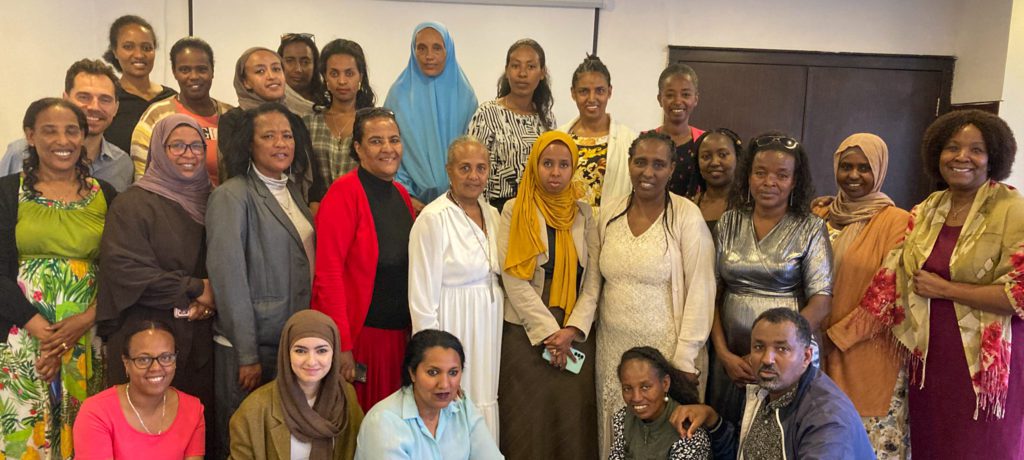
In early March, I was invited to co-facilitate the ‘Empowering Women of Faith’ workshop in Ethiopia, a role that deeply resonated with me as a woman of faith. I found the prospect of participating in a space that empowers women religious leaders to realise and fulfill their role as peacebuilders very exciting. The trip also served as my inaugural visit to Ethiopia and only second to Africa, offering a chance to explore a new destination and immerse in a distinct culture very different from my daily reality.

Going into it, I had a vague idea of what facilitation meant. I was only familiar with the term from hearing my Peace Process Support colleagues recount their experiences and insights during team meetings. But despite this, I had yet to fully comprehend the depth of its significance. Achieving a genuine understanding of facilitation necessitated direct involvement and first-hand experience.

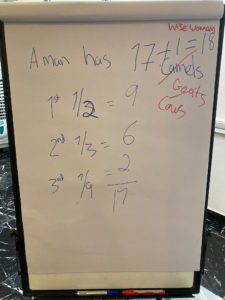
For the three-day workshop with the ‘Women of Faith’ network representing Ethiopia’s diverse religious landscape, which included Catholic, Orthodox, Seventh-Day Adventist, and Muslim leaders among others, we crafted a preliminary plan outlining each day’s agenda, the evidence from our research, and our overarching objectives in engaging with these women. However, the term ‘adaptive’ came up frequently throughout our discussions. We needed to remain flexible and open to last-minute adjustments to ensure the flow and efficacy of the workshop. For one particularly memorable instance, we found ourselves grappling with the women on the monumental decision of which animal to use in an exercise.

We decided to switch from a camel to a goat and eventually settled on a cow, all in the pursuit of aligning with Ethiopian cultural contexts. Ah, the trials and tribulations of workshop facilitation!

On the first day of the workshop, I observed my colleague Rainer Gude utilise his skills and wealth of experience in facilitation to transform the dynamic of the room from an atmosphere of apprehension and blank expressions into a safe, welcoming, and inclusive space for the women participants. Establishing a rapport with the women through small talk and plenty of jokes before diving into the workshop agenda aided greatly

in that. But also maintaining a supportive and positive tone throughout the workshop, not just for the participants but between the facilitators too, really set the stage for a constructive and enjoyable learning experience for all of us.

Stepping into the role of facilitator meant taking the responsibility of guiding discussions and fostering collaboration. As someone who has always preferred not to be at the center of attention, I expected to be much more nervous and apprehensive about commanding a space that I was not used to. But I surprised myself with how easy and almost natural it was to assume that role. That was largely due to seeing how the women engaged with the material we presented the day before and witnessing their enthusiasm and conviction grow throughout the session.

What was obvious was that these women had a lot to say and that they were keen to be heard. What was just as obvious, was that they hail from a society that is not always particularly interested in listening to them. The women expressed that they believed they bring a richer and different perspective to peace talks but they are often sidelined and their ideas are dismissed, which is why a space like this was so important to them. Ethiopia, like many societies, has elements of patriarchy within some of its cultural and traditional practices where men hold more power and authority than women. I was therefore eager beyond any feeling of apprehension, to step into the role as I knew how important it was for these women to have someone there to guide the conversations they were so keen to have and to help make them feel comfortable sharing their thoughts and ideas without fear of judgment.

As the workshop progressed, the women increasingly recognised that they were indispensable to peace, and that is what I found most rewarding. Seeing how empowered they became simply from sharing the space with other like-minded women, being given the freedom to speak, and perhaps most importantly, heard.

On the last day of the workshop, one of the women said “I now understand that peace starts here” as she pointed at her heart. One recurring analogy used by the women when speaking to each other was the ‘home’. The home was used to contextualise and to help each other realise what being a woman peacebuilder looks like, and that actually, it is a role they are all too familiar with and already play as mothers, wives, and sisters.

It was inspiring to witness them reclaim titles that are often used to pigeonhole and marginalise women and leverage them to their advantage. They recognised that these roles had equipped them with the resources and skills necessary to thrive as peacebuilders.

Ethiopia is a deeply religious society and tolerance and co-habitation are extremely important values to its peace and prosperity. There was a strong desire to continue these spaces of collaboration and meet more women of faith, to find strength and motivation in each other’s stories and experiences, and to work together to become active, not just passive, peacebuilders. As well as a desire to break down the patriarchal barriers placed on them in the home, society, and religious institutions.

By the end of the three days, the collective hope was for peace and love to prevail. I left the workshop and the country feeling energised and inspired to continue the work I do. For the first time in my career, I was seeing the tangible impact of our work on real people, in real time. This experience has reinforced my dedication to promoting peace and empowerment and reaffirmed the significance of our work in fostering positive change.